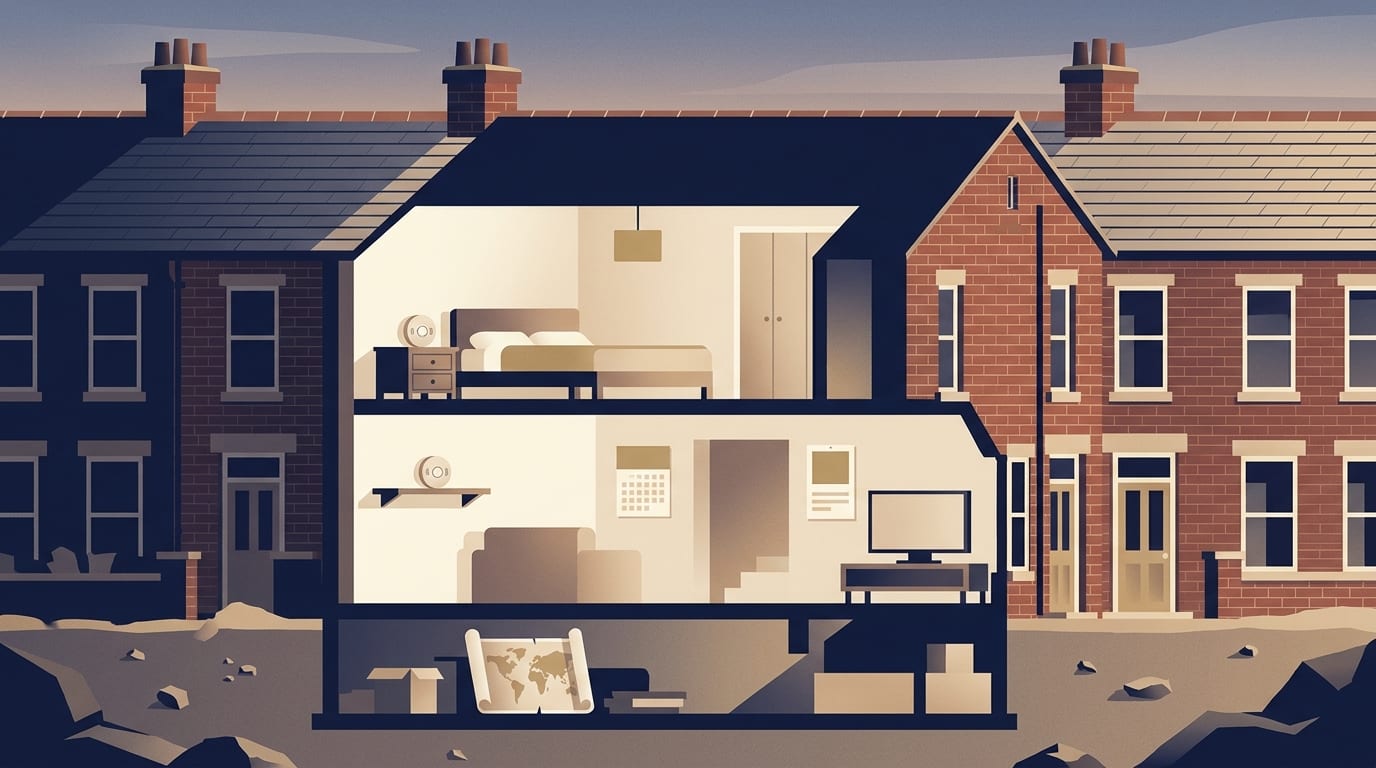
A Level 2 survey is a visual, non-intrusive inspection of a conventional home in reasonable condition, offering advice on repairs and maintenance. The surveyor will inspect the inside and outside of the property, but they will not lift carpets, move heavy furniture, open up the fabric of the building or test the services. You can expect to pay a typical 2026 price of between £400 and £950 for this service.
What a Level 2 survey is
The Level 2 home survey is a detailed report that gives you ideas about future repairs or maintenance. It is still widely called a HomeBuyer Report, which was its previous name, and it sits in the middle of the three survey levels established by the Royal Institution of Chartered Surveyors. You can buy it as a survey only or as a survey that includes a valuation.
Before you instruct a firm, they will send you their terms of engagement. A common mistake is not reading these terms, leaving buyers surprised when the surveyor does not lift carpets or move furniture. At the front of the final document you will find a box titled Limitations on the inspection. You should always read this box first so you understand exactly where the surveyor was unable to look.
Which homes suit a Level 2 survey
This level of inspection is most suitable for conventional properties in reasonable condition that are simple in form and layout. It assumes the house or flat has been built using standard methods and materials. If you are buying a standard property built in the last fifty years that appears well maintained, this is usually the right choice.
It is a step up from a Level 1 survey, which only describes the condition and flags urgent defects for newer homes in good condition. New build buyers may use a snagging survey instead to catch finishing defects before they move in. In Scotland, the seller provides a Home Report before marketing the property, which already includes a Level 2 survey and valuation.
What the surveyor inspects
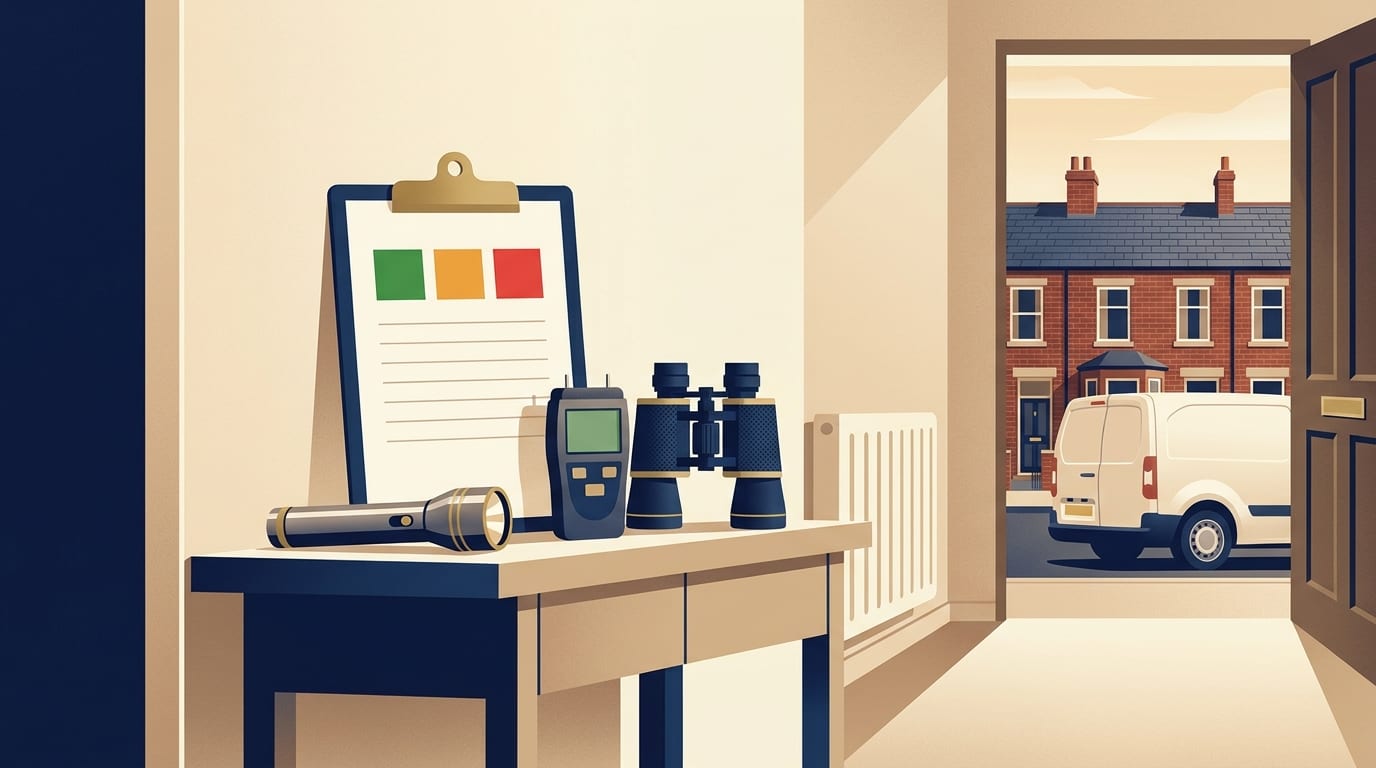
The surveyor inspects the inside and outside of the main building and all permanent outbuildings. They will record the construction of the property and note any significant visible defects. To do this, the surveyor uses equipment such as a damp meter, binoculars and a torch.
They will use a ladder to inspect flat roofs and to access hatches no more than 3m above level ground or floor surfaces, provided it is safe to do so. The service does not include preparing an Energy Performance Certificate, but checks are made for obvious discrepancies between an existing certificate and the property.
If you are buying a flat, the inspection has specific limits. External wall systems are not inspected. The surveyor also does not inspect drains, lifts, fire alarms and security systems in blocks of flats.
What the surveyor does not do
A Level 2 survey is a visual and non-intrusive inspection. A document describing the standard confirms that the surveyor does not force or open up the fabric of the building. This means they will not cause any damage or dismantle any part of the home.
Because the inspection is non-intrusive, there are several things the surveyor will not do.
- Take up fitted carpets, fitted floor coverings or floorboards
- Move heavy furniture or remove the contents of cupboards
- Remove secured panels or undo electrical fittings
- Remove the contents of roof spaces
- Carry out specialist tests on any part of the property
- Inspect for asbestos, though they will flag its suspected presence
No survey guarantees that a property is completely free of defects. The report is a professional assessment of the visible condition on the day of the inspection.
Roof space, services and drains
If it is safe and reasonable, the surveyor will enter the roof space and visually inspect the roof structure. They will not move or lift insulation material, stored goods or other contents to see what is underneath.
Only the visible parts of the services can be inspected. The visual inspection cannot assess the efficiency or safety of electrical, gas or other energy sources. The surveyor does not investigate plumbing, heating or drainage installations or the internal condition of any chimney, boiler or flue.
If the surveyor has specific concerns about the services or drains, a recommendation for further investigation is made. You should act on these recommendations before making a legal commitment to purchase.
How the condition ratings work
The report uses condition ratings shown as traffic lights to help you understand the urgency of any problems. If any part of the property could not be checked, the report says so clearly. Where the surveyor is unable to reach a conclusion with reasonable confidence, they will recommend further investigation.
- Rating 3 means defects that are serious and need to be repaired, replaced or investigated urgently
- Rating 2 means defects that need repairing or replacing but are not serious or urgent
- Rating 1 means no repair is currently needed
- NI means elements that were not inspected
- R means documents the surveyor may suggest you request before you sign contracts
For any defect given a rating 3, written quotations for repairs should be obtained before your legal commitment to purchase. Trying to renegotiate the purchase price without repair quotes is a common mistake.
Survey only or survey and valuation
You can book this service as a survey only or as a survey and valuation. The survey and valuation version adds a market valuation and an insurance reinstatement figure. The reinstatement figure is the estimated cost of rebuilding the home from scratch if it were destroyed, which you need for your buildings insurance.
A mortgage valuation is not a survey. It is a limited check carried out purely for the lender's benefit to confirm the property is adequate security for the loan. Relying on the mortgage valuation instead of commissioning your own survey is a serious risk, as the lender's valuer will not report on the detailed condition of the home or advise you on maintenance.
What a Level 2 survey costs
Surveyors quote a fixed fee up front based on the level of detail required, the property value, its size, its age, its complexity and its location. A RICS consumer guide confirms that the Level 2 report is available as a survey only or a survey plus valuation, which affects the final price. Propertymark gives approximate costs of £300 for a basic condition report, £400 for a homebuyer report and £600 or more for a building survey.
This table shows typical published prices for the three survey levels to help you compare your options.
|
Survey type |
Typical price range |
|---|---|
|
Level 1 survey |
£300 to £450 |
|
Level 2 survey |
£400 to £950 |
|
Level 3 survey |
£600 to £1,500 or more |
These figures represent typical published prices for 2026, and local quotes will differ based on the property you are buying. You can read more about what drives these prices in our house survey cost guide.
When to choose Level 3 instead
Choosing the cheapest level for an old or altered house is a false economy. Level 3 is the most detailed inspection, widely called a building survey or full structural survey. You should choose Level 3 instead of Level 2 if the property is older, larger, altered, unusual or run down, or if you plan to carry out major alterations.
Consumer group Which? says that Level 3 suits properties over 50 years old, those of unusual design, or homes in poor condition. You can read our guide to help you decide whether you need a level 2 or level 3 survey.
A Level 2 inspection takes roughly 2 to 4 hours at the property. A Level 3 inspection is far more detailed and takes roughly 4 to 8 hours.
Checking your surveyor is regulated
When you hire a surveyor, you should look for the letters AssocRICS, MRICS or FRICS after their name. You should also look for the words RICS Regulated for the firm itself. You can confirm both of these details on the official RICS Find a Surveyor service.
Regulated firms must have a complaints handling procedure, give consumers free access to an independent alternative dispute resolution provider, and hold professional indemnity insurance. The RPSA is another recognised body for residential surveyors with its own survey products.
Under the Consumer Rights Act 2015 a service must be carried out with reasonable care and skill. Services arranged online or by phone normally carry a 14-day cooling-off period. If you ask for the work to start inside this period, you must pay for what has been done.
If you plan building work
If you are planning an extension or removing chimney breasts, you may be told you need a party wall surveyor. The Party Wall etc. Act 1996 applies in England and Wales only. A building owner must give written notice before building on or at the boundary, working on an existing party wall, or excavating near a neighbour's foundations. Notice is at least two months ahead for party structure works and one month for new boundary walls and excavations. The neighbour has 14 days to respond, and silence counts as a dispute. In a dispute the owners appoint one agreed surveyor or one each, who produce a party wall award. You cannot act as your own surveyor, and the building owner usually pays all surveyors' fees where the work is solely for their benefit. An award can be appealed in the county court within 14 days. Starting party wall work without serving notice can lead to an injunction.
Common questions
Does a Level 2 survey check the drains?
The surveyor does not investigate drainage installations. They will visually inspect the visible parts of the services, but they will not lift drain covers or carry out specialist tests. If they have specific concerns, they will recommend further investigation by a drainage specialist.
Will the surveyor check the boiler and electrics?
The visual inspection cannot assess the efficiency or safety of electrical, gas or other energy sources. The surveyor does not investigate the internal condition of any boiler, heating system or flue. You will need to hire a qualified gas engineer or electrician if you want these systems tested.
How long does the report take to arrive?
Consumer group Which? says the surveyor should tell you how long the report will take, but it should not be longer than five days for a Level 1 or Level 2 survey.
Does the surveyor look for asbestos?
The surveyor does not inspect for asbestos as part of a Level 2 service. However, they will flag its suspected presence if they see materials that commonly contain it. You should never disturb materials that may contain asbestos.
Are external walls inspected on a flat?
In flats, external wall systems are not inspected. If the surveyor has specific concerns, RICS says further investigation is recommended before you make a legal commitment to purchase.
What to do next
Booking too late and delaying the exchange of contracts is a common problem. You should book your survey once your offer is accepted and well before exchange. Ask the surveyor what access they need to the roof space so you can check this with the seller in advance.
Follow these steps to make sure you get the right advice.
- Match the survey level to the age, type and condition of the property
- Get two or three like-for-like quotes that state the level and the turnaround time
- Check whether each quote includes a valuation
- Ask about the surveyor's experience with that property type and the local area
- Ask whether the surveyor will talk the report through by phone once it arrives
- Use the findings to get repair quotes before deciding whether to proceed, renegotiate or walk away
Keep your conveyancer involved throughout the process so they can request any necessary documents highlighted by the condition ratings. To begin comparing quotes from regulated professionals, find a surveyor near you.
Find a top rated surveyor near you
1,519 surveyors across the UK, each ranked on their Google rating and the number of reviews behind it. Start with your county: