
Survey Advice Guides
Freehold or Leasehold and What It Means When Buying a Home
What freehold and leasehold mean when you buy, how ground rent, service charges and lease length affect the price and a lender, and what GOV.UK says is in force or only planned in England.
Read guide
Radon Test for Your Home and What It Costs
What radon is, how the UKHSA radon map works, the 200 becquerel action level, how a three month test works, what the test pack costs and what fixing a high reading typically costs.
Read guide
Flying Freehold and What It Means When You Buy a House
What a flying freehold is, why some lenders will not lend and others set conditions, what a surveyor or valuer reports, and what a conveyancer checks on support, repair access and indemnity.
Read guide
Cavity Wall Insulation Problems and When Removal Is Needed
Why cavity wall insulation can go wrong, the signs that lead a surveyor to question it, how the cause is investigated and what removal involves, without the guarantee and certification detail.
Read guide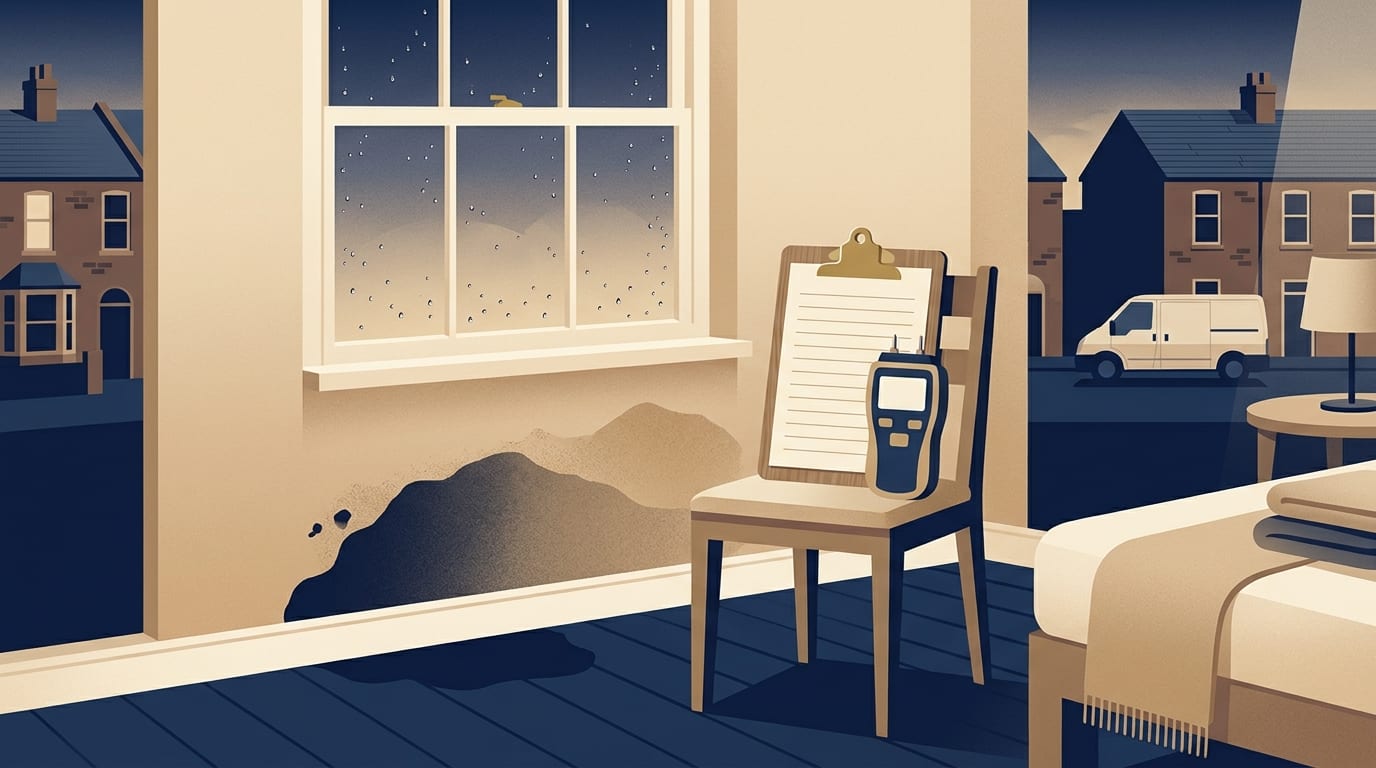
Condensation or Damp in Your House and How to Tell Which
How condensation, penetrating damp, rising damp and leaks differ, where each tends to show, what a surveyor checks to tell them apart, and why guessing the cause can lead to the wrong fix.
Read guide
What to Look for When Viewing a House Before You Offer
What to check when viewing a house before you offer: the paperwork to ask for, visible warning signs, free online checks, how many viewings buyers usually make and what to leave to a surveyor.
Read guide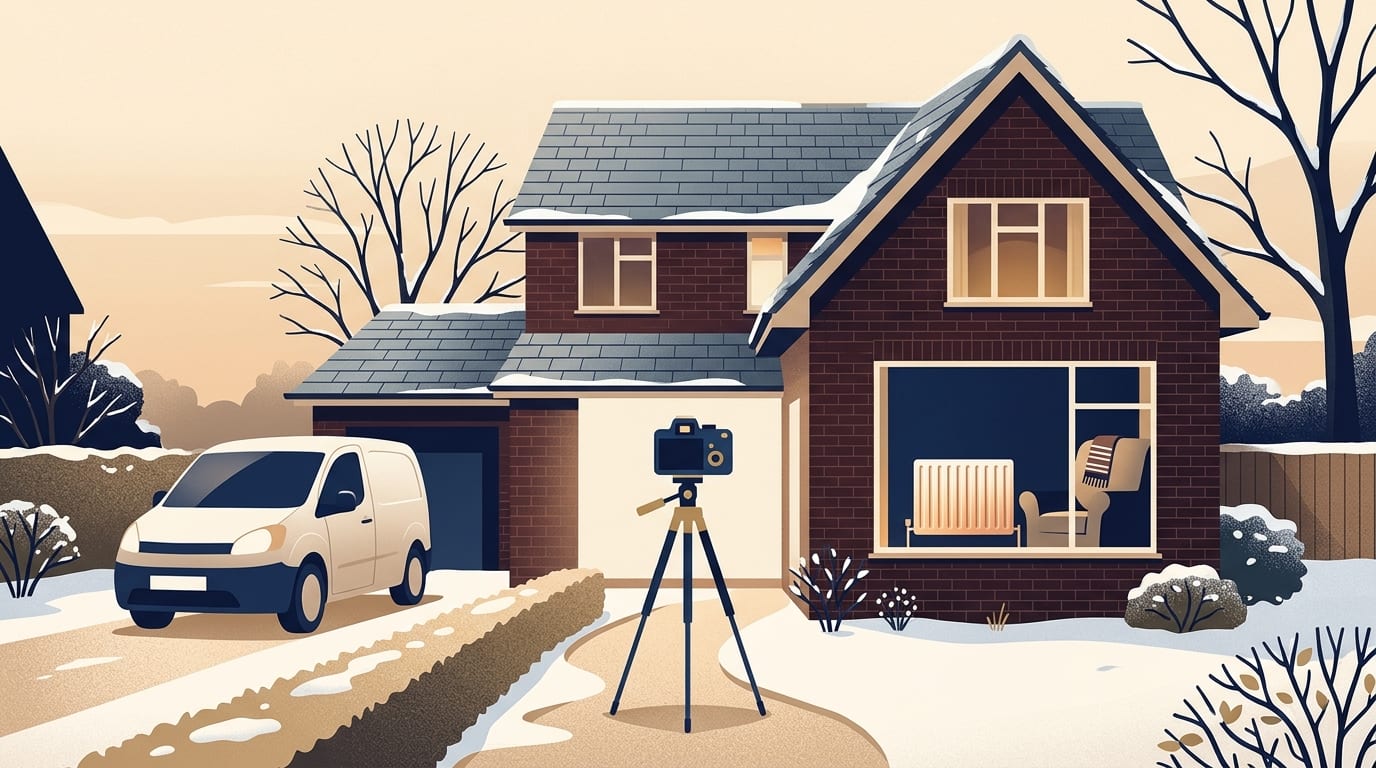
Thermal Imaging Survey for a Cold House and What It Shows
What a thermal imaging survey of a house shows, what it cannot show, why conditions and the surveyor's interpretation matter, and how it differs from an EPC, a damp survey and a moisture reading.
Read guide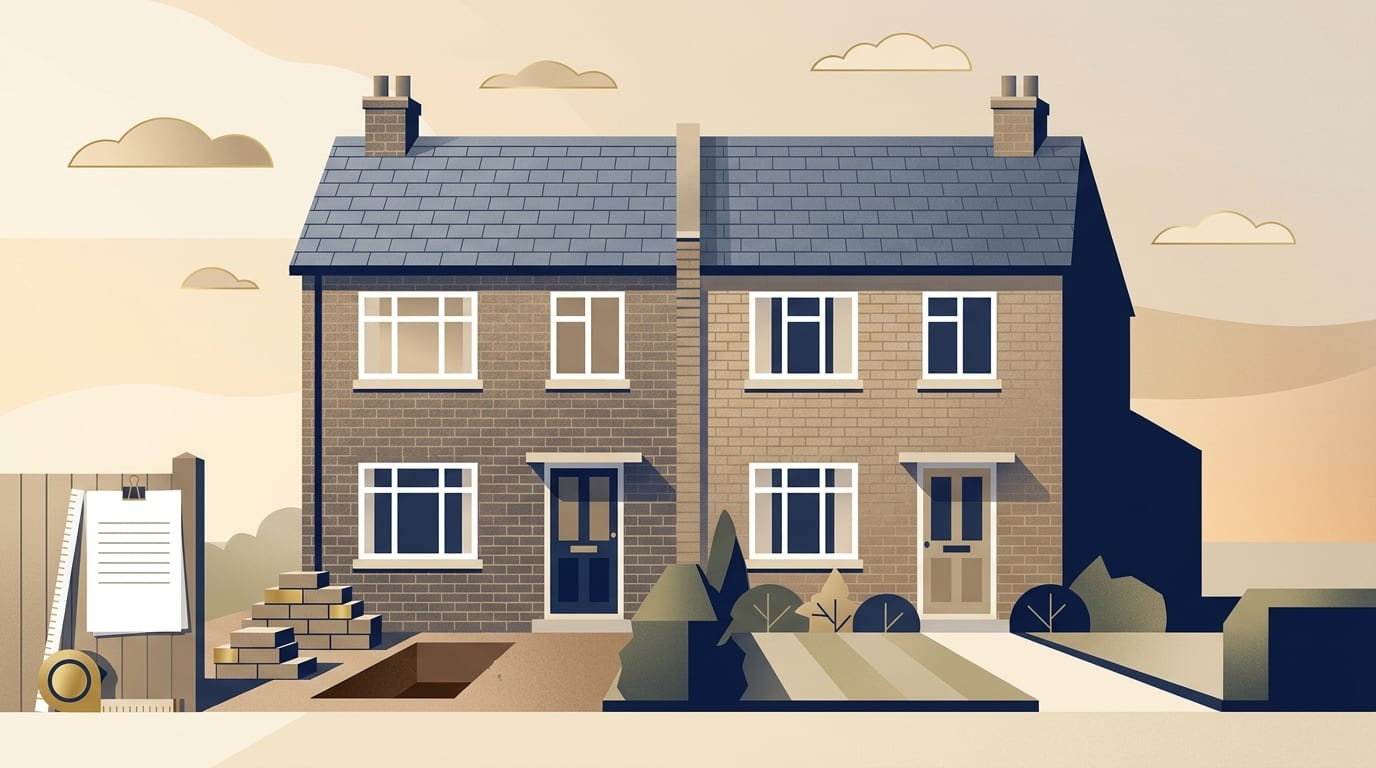
Neighbour Building Without a Party Wall Agreement and What to Do
What the Party Wall etc. Act 1996 and the GOV.UK booklet say when a neighbour starts work without notice: the notice rules, what the Act does not enforce, the court route and first steps.
Read guide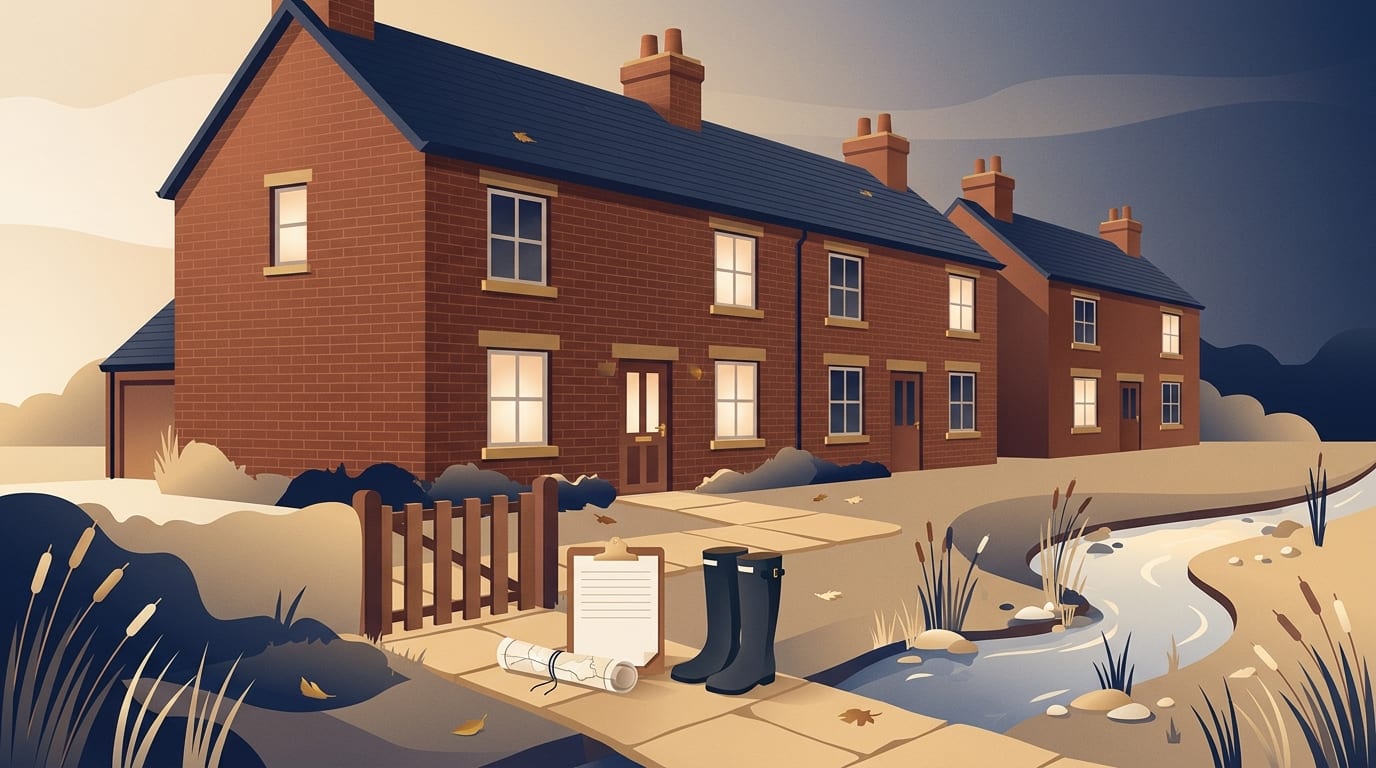
Flood Risk Checks to Make Before You Buy a House
Which free flood checks to run before you buy, what the official check cannot tell you, how Flood Re helps with insurance, and what your surveyor and conveyancer can and cannot cover.
Read guide
Buying a House With Solar Panels and What Your Surveyor Checks
What a surveyor can and cannot say about solar panels, how to tell owned panels from leased ones, and what your conveyancer should check on the lease, certificates and your lender.
Read guide
Buying a House With an Extension That Was Never Signed Off
What a missing Building Regulations certificate means for a buyer, the options (copy certificate, regularisation, indemnity insurance), and what a surveyor can and cannot tell you about the work.
Read guide
Further Investigations Your Surveyor Recommends and Who to Call
What 'further investigation recommended' means in your survey report, why surveyors write it, who to ask about it, how to get access, and what to do before you exchange contracts.
Read guide
How to Prepare Your Home for the Buyer's Survey
What a buyer's surveyor will and will not do in your home, how to make access easy, which certificates and guarantees to have ready, and what to expect after the inspection.
Read guide
Are Online House Valuations Accurate Compared With a Surveyor?
What online house price estimates can and cannot tell you, how they differ from an estate agent opinion and a surveyor valuation, and when a formal RICS valuation is the right tool.
Read guide
Mansion Tax Valuations and Whether You Need a Surveyor
What GOV.UK says about the High Value Council Tax Surcharge, how the Valuation Office will value homes, how to challenge a banding, and what a RICS valuation can and cannot do for you.
Read guide
Listed Building Surveys and Why Older Homes Need a Specialist
Why a listed home needs a Level 3 survey and a surveyor who knows traditional buildings, what listed building consent means for you, and how to check conservation experience.
Read guide
Buying a Thatched Cottage and the Survey You Will Need
Which survey suits a thatched cottage, why a Level 3 report and a specialist thatcher both matter, how long thatch lasts and what to ask about insurance before you commit.
Read guide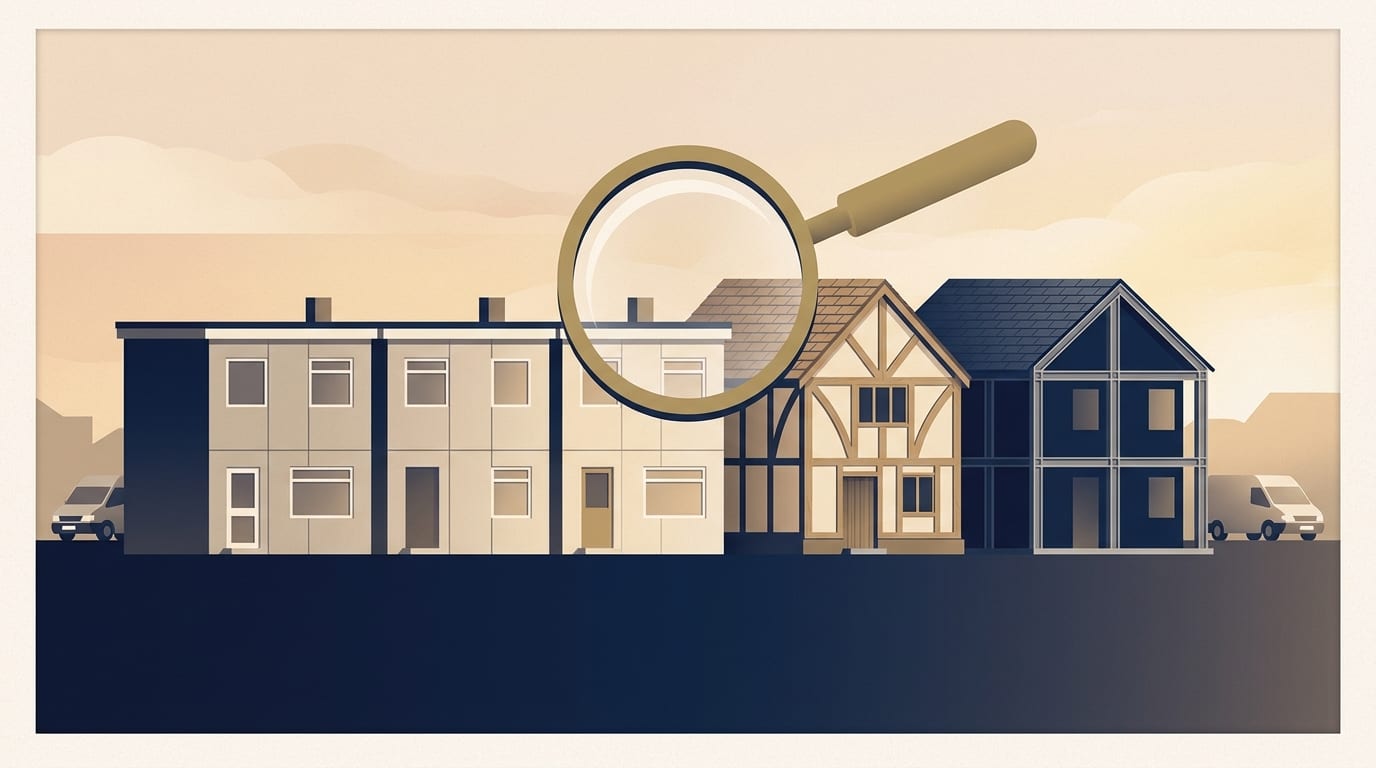
Buying a Non Standard Construction Home and Getting It Surveyed
What non standard construction means, why some homes are harder to mortgage, which RICS survey level suits them and how to involve your mortgage broker and conveyancer early.
Read guide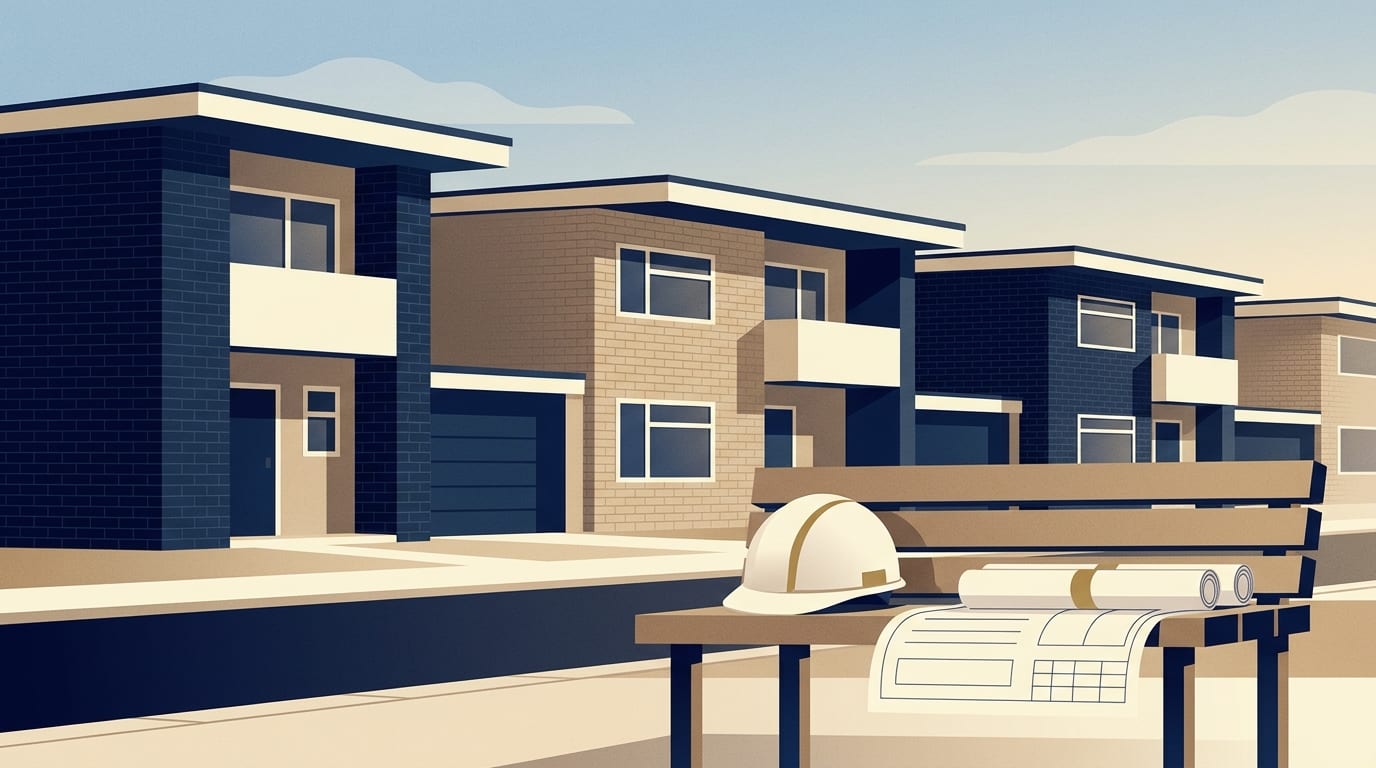
RAAC in Homes and How a Surveyor Checks for It
What RAAC is, which homes may contain it, how a chartered surveyor or structural engineer checks, and what to ask about mortgages and insurance, without any DIY checks.
Read guide
Do You Need an EPC to Sell or Let Your Home?
When an EPC is required to sell or let, how long it lasts, what must appear in the listing, which buildings are exempt and what happens if you do not have one.
Read guide
Minimum EPC Rating Rules for Landlords Explained
The current minimum EPC rating of E for rented homes, the fines and exemptions, and the confirmed move to EPC C from 1 October 2030, with the caveat that legislation is still to come.
Read guide
How to Serve a Party Wall Notice on Your Neighbour
How to serve a party wall notice in England and Wales: which notice, how much warning, what to include, how to deliver it and what happens once your neighbour replies.
Read guide
What Happens When a Neighbour Dissents to a Party Wall Notice
What a dissent or silence from your neighbour means, how the agreed surveyor or two surveyors route works, what an award contains, who pays and how to appeal.
Read guide
Schedule of Condition Before Your Neighbour Starts Building Work
What a schedule of condition is, why neighbours of building work should have one, what it contains, when it is part of a party wall award and what it typically costs in 2026.
Read guide
Level 1 Condition Report and When It Is Enough for Your Purchase
What a RICS Level 1 condition report covers, what it leaves out, which homes it suits and the signs that you should step up to Level 2 or Level 3.
Read guide
What a Condition Rating 3 Means in Your Survey Report
What a condition rating 3 means in a RICS survey report, what it does not mean, and the steps to take before you commit to buying.
Read guide
Common Problems House Surveys Find and How Serious They Are
The problems house surveys most often flag, which are routine to fix and which deserve a specialist before you commit, using the RICS ratings to judge each one.
Read guide
Bad House Survey Results and Your Options Before Exchange
What to do after a worrying house survey: read it properly, get repair quotes, then renegotiate, ask the seller to fix it or walk away before you exchange contracts.
Read guide
What Subject to Survey Means and When to Book Your Survey
What subject to survey means in practice, when to book your survey after an offer is accepted, and why you are not bound until exchange of contracts.
Read guide
Does a New Build With an NHBC Warranty Need a Survey?
Whether a new build with an NHBC warranty needs a survey, what the warranty covers and what a snagging survey or pre-completion inspection adds.
Read guide
Do You Need a Survey When Buying a Flat?
Why a survey matters when you buy a flat, what the surveyor can and cannot inspect, which level suits and how shared repairs can reach you through service charges.
Read guide
What a Level 2 Home Survey Covers and What It Leaves Out
What a RICS Level 2 home survey inspects, what it cannot see, how the condition ratings work and which homes it suits.
Read guide
What a Level 3 Building Survey Covers and Who Really Needs One
What a RICS Level 3 building survey inspects, how it differs from Level 2, what it still cannot see and which homes really need one.
Read guide
Types of House Survey in the UK and Which One to Choose
The main types of house survey in the UK, from Level 1 to Level 3, snagging and mortgage valuations, with what each suits and what they typically cost.
Read guide
Who Arranges the Survey When You Buy a House?
Who arranges a survey when you buy a house, how it differs from the lender's mortgage valuation, who pays, and how to book yours at the right time.
Read guide
What Happens on Survey Day and What the Surveyor Checks
What happens on survey day, what the surveyor checks inside and out, what they cannot do, how long it takes, whether you can attend and when the report arrives.
Read guide
Woodworm in Your Home and When It Really Needs Treatment
How to recognise woodworm, why you should find out whether it is still active before paying for treatment, who to ask and what surveys and treatment typically cost.
Read guide
What an EWS1 Form Is and When You Need One for a Flat
What an EWS1 form is, when a mortgage valuer may ask for one, what the ratings mean, who can sign it and what the new RICS standard from 1 November 2026 changes.
Read guide
Spray Foam Insulation Mortgage Problems and What Surveyors Check
Why spray foam in a loft can stop a lender lending, what a valuer and an independent inspection look for, the paperwork that helps and when removal makes sense.
Read guide
Buying a House at Auction and Getting a Survey Before You Bid
How property auctions work, why the survey, legal pack and finance must be sorted before you bid, what conditional and unconditional sales mean and the extra fees to check.
Read guide
Do You Need a Structural Survey or a Structural Engineer?
What people now mean by a structural survey, how it differs from a structural engineer's report, which one you need and what each costs.
Read guide
Mortgage Valuation Explained and What Happens If It Comes In Low
What a mortgage valuation checks, how long it takes, what it costs, why it is not a survey and what to do if it comes in below your offer.
Read guide
Signs of Subsidence and When to Get a Subsidence Survey
The signs of subsidence, which cracks are usually harmless, what to do first, and how a subsidence survey and repair usually work.
Read guide
Japanese Knotweed Surveys When Buying or Selling a Home
How surveyors grade Japanese knotweed, what the law says, what mortgage lenders usually ask for and what a specialist survey and treatment cost.
Read guide
When You Need a Topographical Survey and What It Involves
What a topographical survey records, when a homeowner needs one, how it helps with boundaries and how to brief a land surveyor.
Read guide
How to Renegotiate the House Price After a Survey
How to use your survey report to renegotiate the price or ask for repairs before exchange, and what to do if the seller says no.
Read guide
Do You Need a Level 2 Survey or a Level 3 Survey?
Level 2 or Level 3? A plain guide to what each RICS home survey covers, which homes each one suits, and how to choose with confidence.
Read guide
When You Need a Party Wall Surveyor and What It Costs
When the Party Wall Act applies to your building work, when you must appoint a party wall surveyor, who pays, and what it tends to cost.
Read guide
Do You Need a Survey When Buying a House?
A survey is optional when you buy a house, but a mortgage valuation will not protect you. Here is when you need one and who arranges it.
Read guide
How Long Does a House Survey Take From Booking to Report?
How long a house survey takes on the day, how long the report takes to arrive, and how to stop the survey holding up your purchase.
Read guide