During a home survey, the surveyor inspects the inside and outside of the main building and all permanent outbuildings to record the construction and significant visible defects. They check the property mostly by eye using equipment such as a damp meter, torch and binoculars, with the visit taking anywhere from roughly two hours to a full day. A surveyor will not force or open up the fabric of the building, lift fitted floor coverings, move heavy furniture or carry out specialist tests on your gas and electricity. Understanding exactly what is included helps you read the final report correctly.
How long the inspection takes
Generally an RICS Home Survey inspection takes between two hours to a full day. This depends heavily on the size, age and complexity of the property you are buying. For particularly large properties the inspection may take several days to complete.
A basic level one survey might only take an hour or two. A mid-range level two survey could take up to three hours to finish. A full structural survey varies much more, with some taking as long as a full day to complete because the surveyor looks at the construction in much greater detail.
Once the physical inspection is finished, you will have to wait for the written document to arrive. Which? says the report should not take longer than five days for a level one or two survey, or 10 days for a level three survey. You can ask the surveyor to confirm their turnaround time when you request a quote, which helps you manage your conveyancing deadlines and understand how long the survey process takes.
Can you attend the inspection
You may be able to visit the property at the same time as the surveyor. This is highly beneficial because it means you can point out specific things you are worried about, such as a crack in the wall or a damp smell in the hallway. You should ask both the surveyor and the seller's estate agent if this is acceptable before you arrive.
If you do attend, ask the surveyor how they prefer to work. A brief conversation at the start, then leaving them to complete their checks, is a sensible approach.
If the surveyor recommends further investigation during the visit, they cannot simply start taking the house apart. You will need to talk to the owner to ensure they will grant access for any extra checks. Without explicit owner consent, the surveyor is strictly limited in what they can do.
What the surveyor checks outside
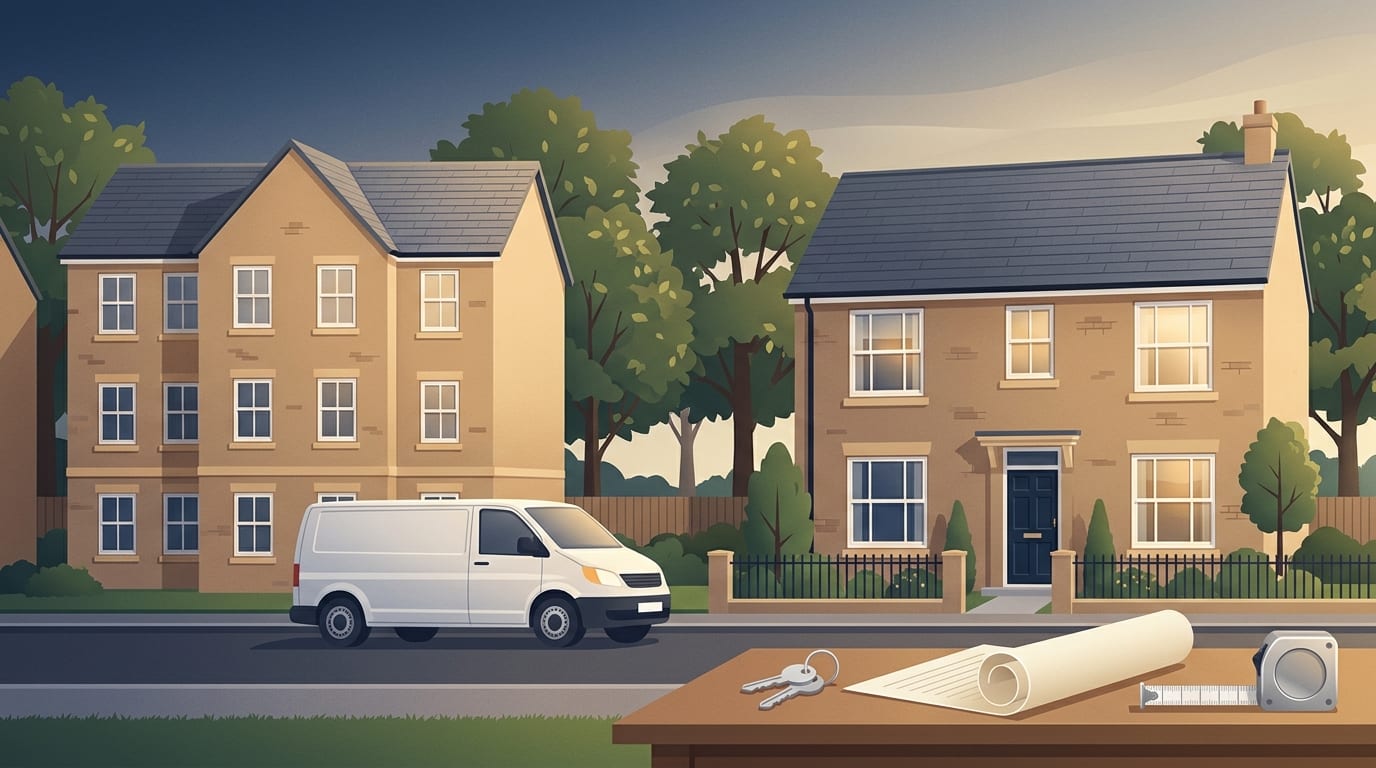
The exterior inspection is a visual check. The surveyor inspects the outside of the main building and all permanent outbuildings, using equipment such as binoculars.
When checking the grounds, they will look at several specific exterior features. These include:
- Boundary walls
- Fences
- Permanent outbuildings
- Areas in common (shared) use
The surveyor walks around the grounds and any neighbouring public property where access can be obtained. They use a ladder to check flat roofs if it is safe to do so. If access to any area is restricted, for example by a thick creeper plant growing over a wall, this is reported with advice on potential underlying risks that may need further investigation.
The goal is to give you a clear picture of the exterior condition so you know what you are taking on. You can read the official scope of this exterior work in the description of the RICS Home Survey Level 2.
What the surveyor checks inside
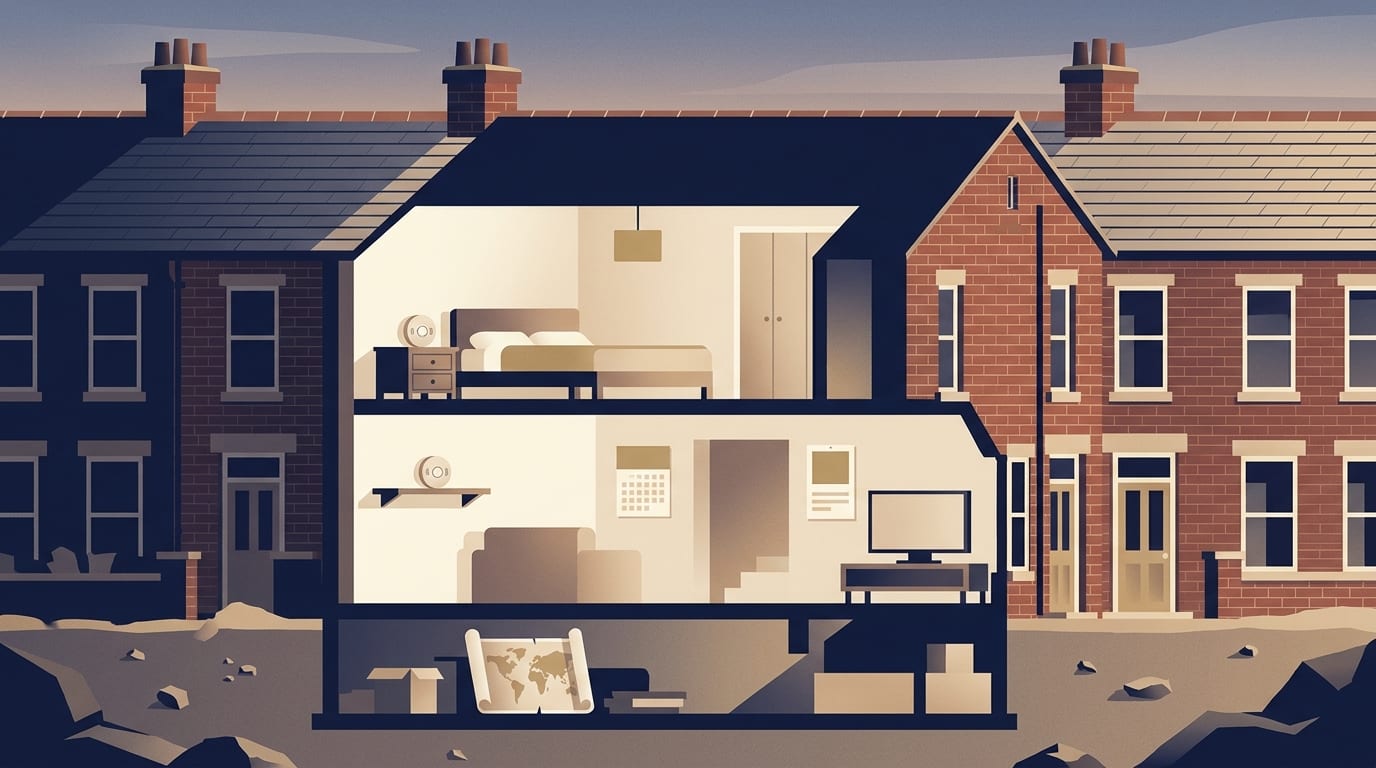
Inside the house, the surveyor moves from room to room to record the construction and spot significant visible defects. They look at the ceilings, walls, floors, internal doors and window frames. They use a damp meter to test the walls for moisture and a torch to inspect dark corners and cupboards.
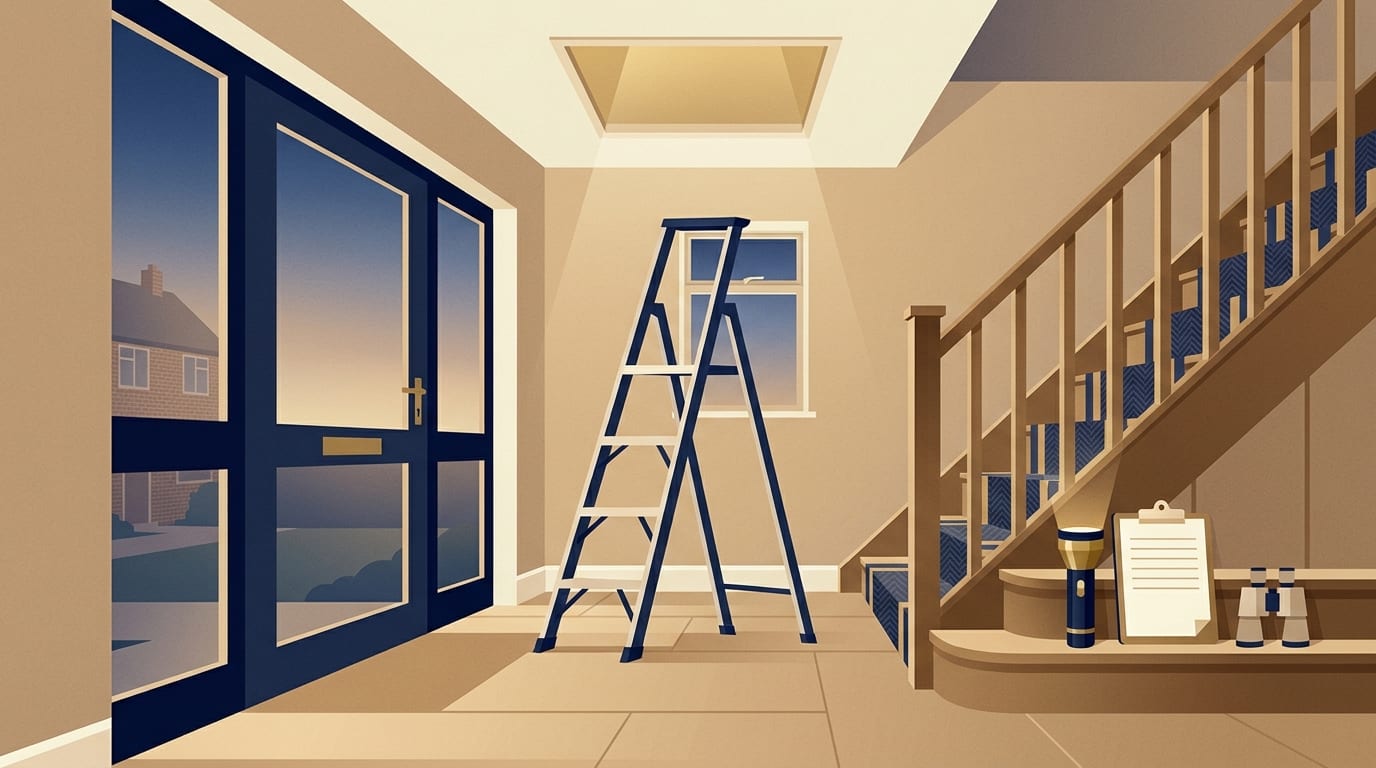
The loft is a vital part of the internal inspection. If safe and reasonable, the surveyor enters the roof space and visually inspects the roof structure. They use a ladder for access hatches that are no more than three metres above level ground or floor surfaces, provided the setup is secure.
In the roof space they do not move or lift insulation material, stored goods or other contents. If you are having a level three survey, thermal insulation is still not moved, but small corners should be lifted to identify its thickness and type if the surveyor considers it safe.
Checking the services is another part of the internal check, but only the visible parts of services can be inspected and no specialist tests are carried out. The surveyor cannot assess the efficiency or safety of electrical, gas or other energy sources, and they do not investigate plumbing, heating or drainage installations. The surveyor also carries out a desk-top study and makes oral enquiries about matters affecting the property.
What the surveyor does not do
A home survey is a visual inspection, which means there are strict limits on how far the surveyor will go. They do not force or open up the fabric of the building to see what lies behind the walls or under the floors. At level two, the inspection is non-intrusive, meaning the surveyor will not look behind furniture or under floorboards.
To protect the seller's property, the surveyor avoids disturbing the current setup. The things a surveyor will not do include:
- Taking up fitted carpets or fitted floor coverings
- Lifting secured floorboards to see underneath
- Moving heavy furniture such as wardrobes and beds
- Removing the contents of cupboards or roof spaces
- Removing secured panels or access hatches
- Undoing electrical fittings to check the wiring
If you want a more invasive check, particularly at level three, you must get explicit occupier or owner consent. Even with consent, the surveyor will only proceed if there is no risk of injury or damage to the property.
The surveyor does not carry out an asbestos inspection as part of a standard home survey. However, the report should emphasise the suspected presence of asbestos containing materials if the inspection identifies that possibility. Where parts of the property are not accessible, an explanation is given in the Limitations on the inspection box in the report.
What sellers can do to help
If you are selling your home, preparing for the surveyor makes the process much smoother. Since the surveyor does not move heavy furniture or the contents of cupboards and roof spaces, anything that blocks access is recorded as a limitation in the report.
You should clear the space around the walls, windows and doors so the surveyor can see the skirting boards and frames. Move boxes away from the access hatch to the loft and ensure a ladder can be positioned safely. Empty the cupboard under the stairs so they can see the utility meters clearly.
If the buyer requests a more detailed check, remember that the surveyor needs your permission first. At level three, the surveyor does not force or open up the fabric without occupier or owner consent.
Understanding the report and condition ratings
Once the surveyor finishes at the property, they write up their findings into a formal report. The detail of this report depends on whether you choose a level two or a level three survey. Both levels use a clear traffic light system to grade the condition of different parts of the property.
This makes it easy to see what needs your immediate attention and what can wait. The standard condition ratings used in the report are:
|
Rating |
Meaning |
|---|---|
|
Condition rating 3 |
Serious and/or urgent defects. You should obtain written repair quotes before making a legal commitment to purchase. |
|
Condition rating 2 |
The element needs repair but the issue is not considered serious or urgent. |
|
Condition rating 1 |
No repair is currently needed. The property element is in acceptable condition. |
|
NI |
Elements not inspected. |
|
R |
Documents you may be advised to request from the seller before signing contracts. |
The table above shows the official condition ratings used in RICS home surveys. Repair costs will depend on exactly what the surveyor finds, so get written quotes where the report advises it. You should pass the report to your conveyancer so they can request the right documents from the seller.
Condition rating 3 is the most important signal in the report. If a part of the building receives this rating, written repair quotes should be obtained before you make a legal commitment to purchase. You can read more about how these ratings are applied in the official description of the RICS Home Survey Level 3.
Common mistakes and your consumer rights
One of the most common mistakes buyers make is relying on the mortgage valuation instead of commissioning their own survey. A mortgage valuation is not a survey. It is a limited check carried out purely for the lender's benefit, and the valuer will not look for hidden defects or advise you on maintenance.
Choosing the cheapest survey level for an old or altered house is another frequent error. You must read the terms of engagement so you know exactly what you are paying for, otherwise you might be surprised the surveyor did not lift carpets or move furniture. When comparing quotes, make sure they are for the same level of survey and check whether a valuation is included.
When you hire a surveyor, you need to know you are protected. Look for the letters AssocRICS, MRICS or FRICS after a surveyor's name, and the words RICS Regulated for the firm. You can confirm both on the RICS Find a Surveyor service.
RICS regulated firms must have a complaints handling procedure, give consumers free access to an independent alternative dispute resolution provider, and hold professional indemnity insurance. Under the Consumer Rights Act 2015 a service must be carried out with reasonable care and skill. Services arranged online or by phone normally carry a 14-day cooling-off period, but if you ask for the work to start inside it you pay for what has been done.
Common questions
What will a surveyor check in the loft?
If it is safe and reasonable, the surveyor enters the roof space to visually inspect the roof structure. They use a ladder if the hatch is no more than three metres above the floor. They will not move stored boxes or lift insulation material to see underneath.
What does a surveyor do at the property regarding boundaries?
They visually inspect the boundary walls and fences to see if they are stable and in good repair. They walk around the grounds and any neighbouring public property where access can be obtained. They do not measure the exact land dimensions or give legal advice on boundary disputes.
What does a surveyor look for when checking for damp?
The surveyor uses a damp meter as part of the visual inspection. Where the surveyor cannot reach a conclusion with reasonable confidence, further investigation is recommended, and the report says so if any part could not be checked.
What happens if the surveyor suspects asbestos?
A standard home survey is not a dedicated asbestos inspection and involves no physical sampling or lab tests. However, the report should emphasise the suspected presence of asbestos containing materials if the inspection identifies that possibility. You would then need to arrange a specific asbestos survey to confirm it.
Next steps before you book
Booking a surveyor is a major step in the buying process. You should act quickly once your offer is accepted so you have time to understand the findings before you exchange contracts. Following a clear process helps you avoid surprises and keeps your purchase on track.
Before you instruct a firm, you need to gather the right information. Make sure you cover these points:
- Match the survey level to the age, type and condition of the property
- Get two or three like-for-like quotes that clearly state the survey level
- Check whether a valuation is included in the total price
- Ask the surveyor about their experience with that specific property type
- Confirm the expected turnaround time for the final written report
- Ask if the surveyor is willing to talk through the report by phone afterwards
Once you have your quotes and understand what the inspection covers, you are ready to instruct a professional. Typical published prices for 2026 are roughly £300 to £450 for a level one survey, £400 to £950 for a level two survey, and £600 to £1,500 or more for a level three survey. You can search our directory to find a surveyor near you and read reviews from other local buyers.
Find a top rated surveyor near you
1,519 surveyors across the UK, each ranked on their Google rating and the number of reviews behind it. Start with your county: